News

DANS’ second Data Station is now live. With this data station, researchers from the social sciences and humanities can archive their datasets online themselves, secure, findable and provided with all essential information.

In the context of the BY-COVID project, DANS organised the workshop ‘Integration of socioeconomic data in observational studies on vaccine effectiveness’ in collaboration with IACS and Sciensano, to discuss topics surrounding the BY-COVID Baseline Use Case. 

From 1 May, the Amsterdam University Medical Centre (Amsterdam UMC) will use DataverseNL to publish their research data. This makes it the twentieth Dutch research institution to use our data service.

The EOSC Future project is excited to announce another offering of its Train-the-Trainer Active Learning Course. This (free) four-day online course – from June 26 till 29 – covers four different modules for trainers to enhance their understanding of EOSC and various related topics alongside their ability to integrate it into their training activities.

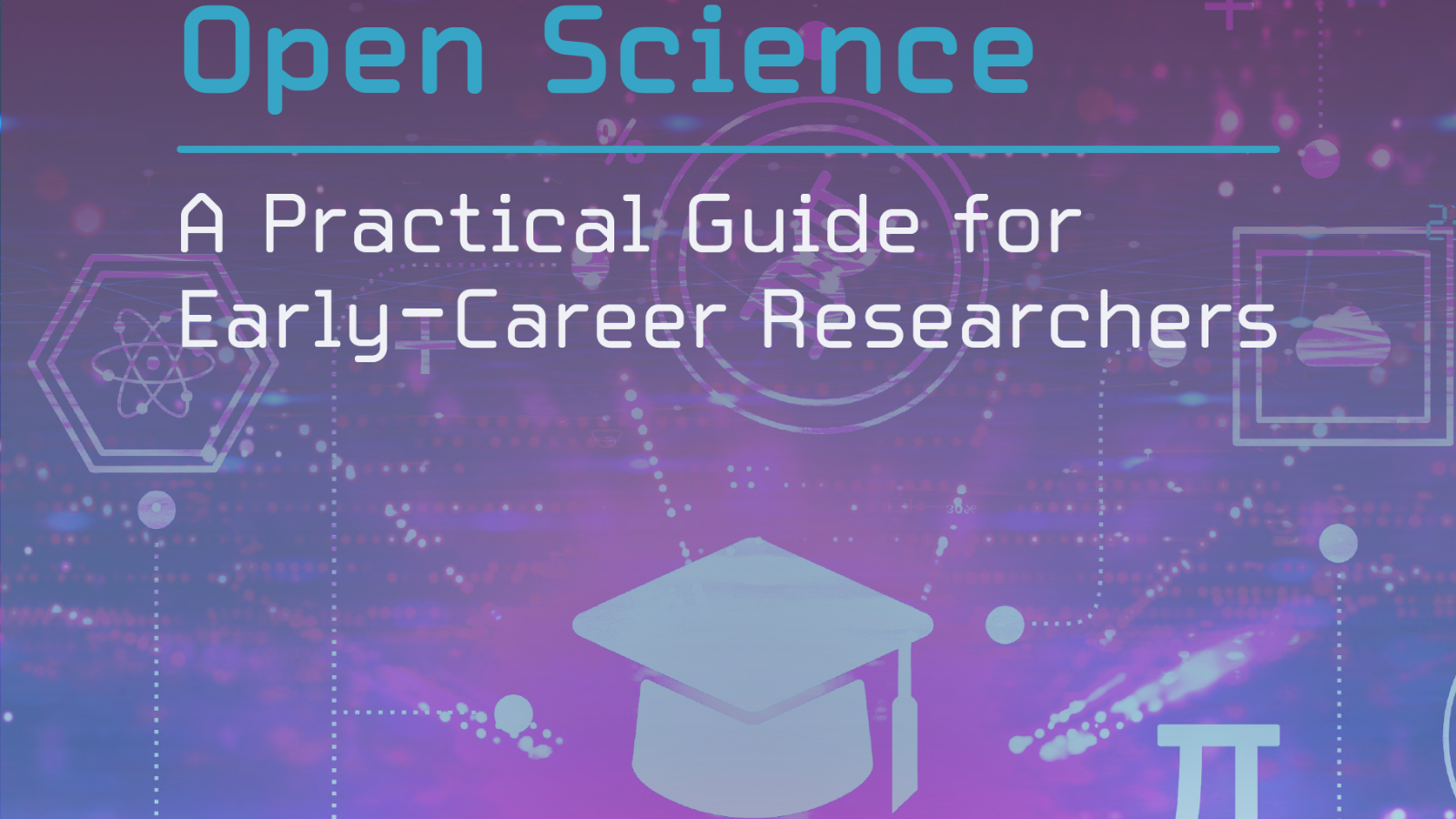
The transition to Open Science depends for a large part on early-career researchers as implementers of new research practices. But in order to be a driver for change, researchers need to be introduced to and trained in Open Science practices. The practical guide ‘Open Science for Early-Career Researchers’ is designed to do just that. It is a starting point to accompany researchers in every step in research.

Making qualitative data – like interview or case study data – available for reuse is often challenging as it is rich and complex data that is difficult to anonymize without losing crucial information. To help researchers and data stewards working with these types of data, DANS has created a guidebook, which is now available on Zenodo.

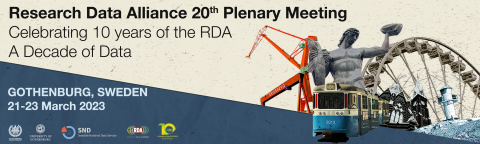
From the 20th to the 24th of March members of DANS attended the 20th plenary meeting of the Research Data Alliance (RDA) in Gothenburg, Sweden. Attendance at the plenary gave DANS the opportunity to engage with the outputs of the range of active RDA working groups and interest groups, to network with international data experts and to advance key projects led or supported by our organisation. 

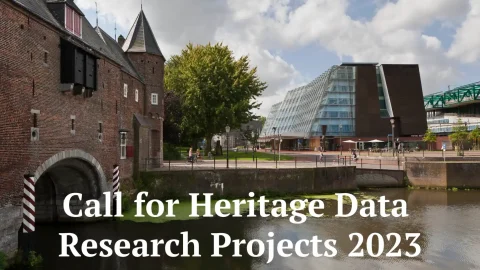
Humanities researchers tend to work with data derived from heritage collections, such as museums, archives or heritage libraries. Ideally, these data remain available for anybody to use for their own research interests. Often, however, when the projects which generate the data have ended, there are no means to turn the datasets into truly interoperable and reusable resources. It is therefore fortunate that the CLARIAH digital infrastructure for the Arts and Humanities has now designated funding specifically for that: curating existing heritage data sets with the aim of making them useful for a wide range of scholars.