News

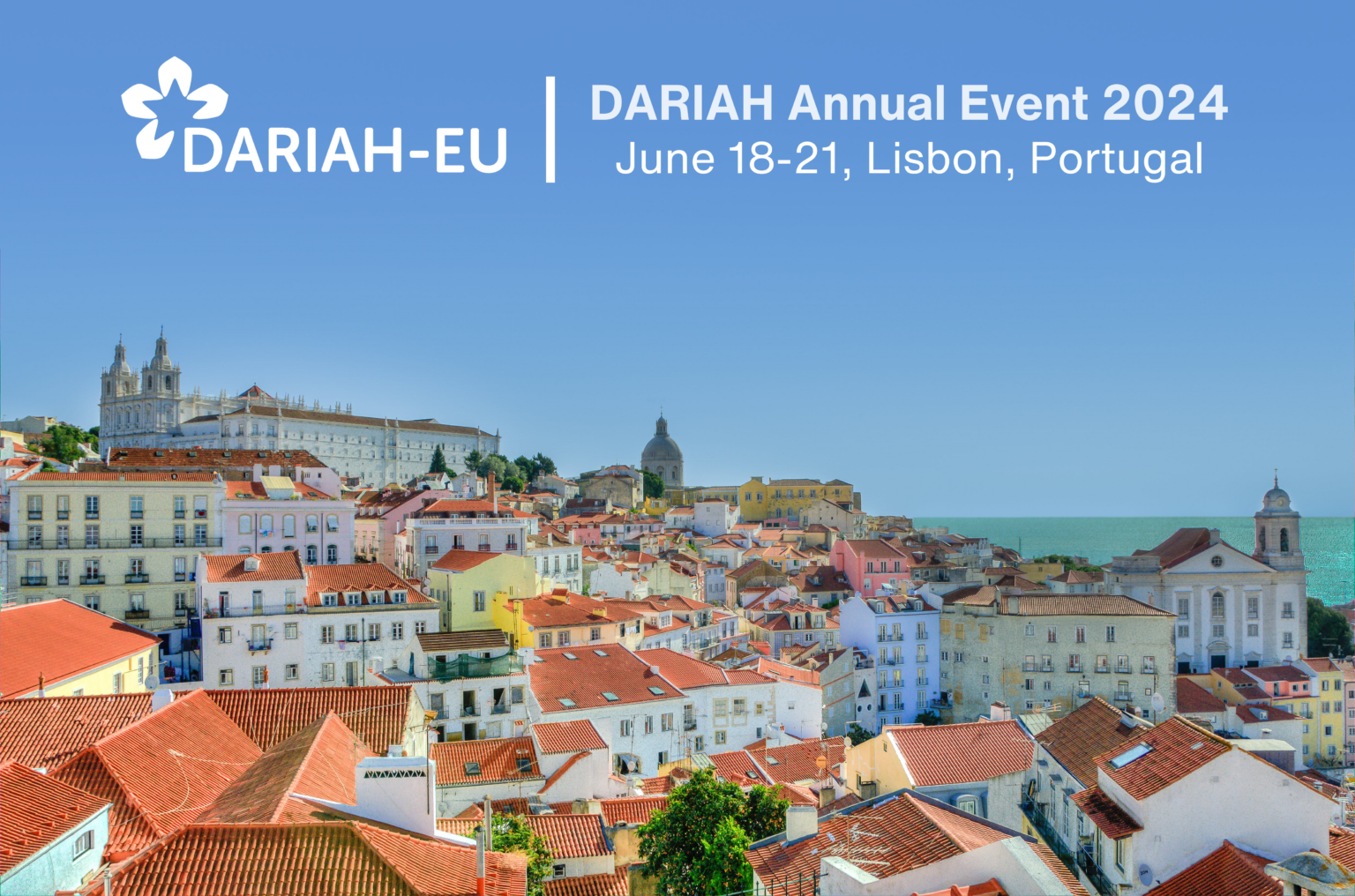
Skyline of Lisbon with the text "DARIAH Annual Event 2024 | June 18-21, Lisbon, Portugal"

The DARIAH Annual Event this year will take place in Lisbon (June 18-21) and is on the theme “Workflows: Digital Methods for Reproducible Research Practices in the Arts and Humanities”. Registration is now open until June 4th for what promises to be an exciting event in the digital humanities domain.

On the 13th of April last, the NRC published a background article on ‘what goes wrong in data research’. For this, Ingrid Dillo, Senior Advisor at DANS, was interviewed by Laura Wismans. In this article, Ingrid Dillo explains that available data are not always of good quality and that there is still much work to be done in the area of sharing and reusing data.

DANS has made the article available below by translating it into English. No changes have been made to the original content.
Do you manage datasets that require access restrictions? Who would be allowed to access these data? Under what conditions do you grant access? ODISSEI and DANS have designed a survey that aims to find out more about common practices in selecting and managing data access restrictions, and their underlying motivations. We would really appreciate your input!

Often valuable datasets contain personal data, like many of the Oral History interviews stored at DANS. For such datasets data owners may want to restrict the access to control who can reuse the data and for what purpose. But what are the considerations and how do you document the access process? We have created an easy guide to help you with this. 

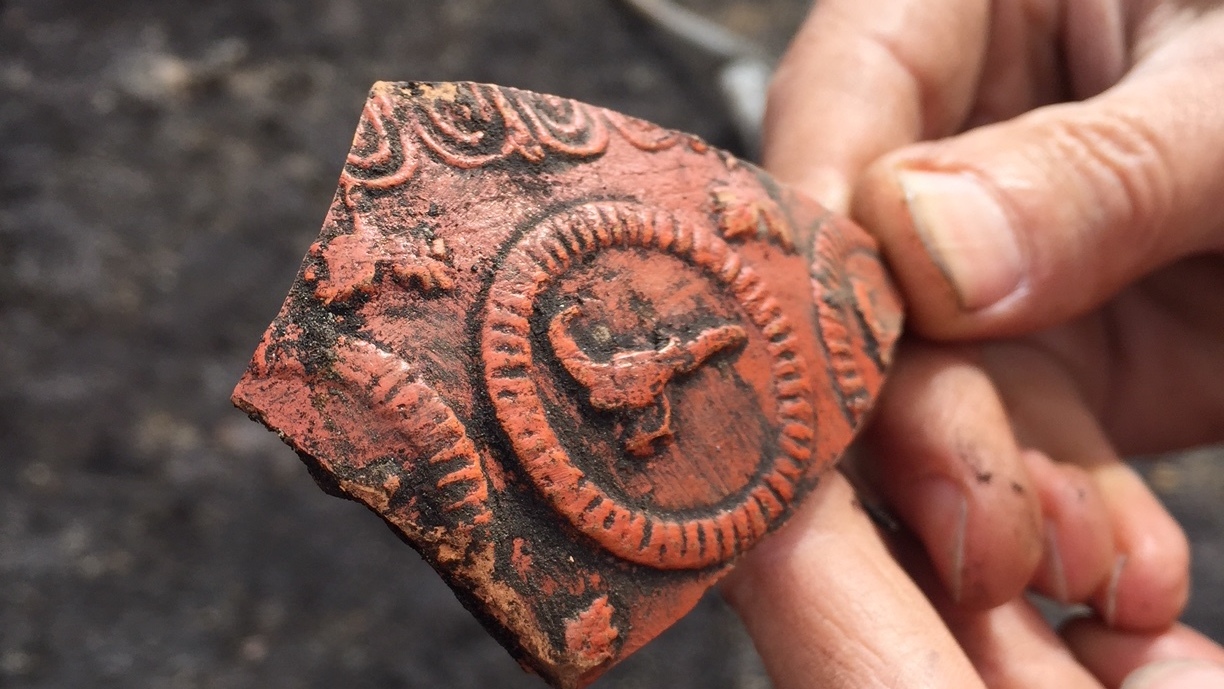
To protect archaeological heritage, the European Archaeological Council (EAC) has published archival guidelines for archaeologists.

Last month, I had the pleasure to give the opening keynote at the 18th edition of the International Digital Curation Conference (IDCC24) in Edinburgh. One of the many concerns of this age is the ability to trust information around us. Transparency is one way to promote trust, and in this sense the conference theme ‘Trust through Transparency’ struck me as both timely and relevant.

It is DANS’ mission to support you in making your data FAIR. We have therefore collected a number of frequently asked questions (FAQ) and published them on our website.

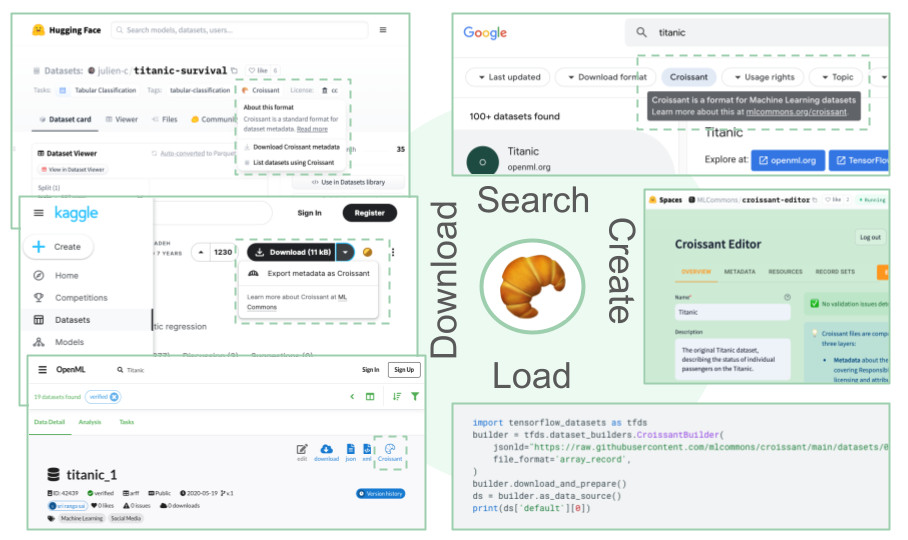
On 6 March 2024, MLCommons (an Artificial Intelligence engineering consortium) announced the release of Croissant, a metadata format to help standardise machine learning (ML) datasets. The aim of Croissant is to make datasets easily discoverable and usable across tools and platforms. This is highly relevant in the European Open Science Cloud (EOSC) tasks on FAIR data sustainability and important for Linked Data in general.