In memoriam: Prof. Dr Selma Leydesdorff (1949–2025).
The Long Shadow of Sobibor collection (2009–2012) is part of the Data Station Social Sciences and Humanities (SSH) and contains interviews with survivors of the Sobibor uprising, among others. These interviews were conducted by Professor Selma Leydesdorff, a historian and emeritus professor at the University of Amsterdam. Leydesdorff was a pioneer in the field of oral history in the Netherlands, and through these interviews she created an impressive and invaluable historical record.
The uprising of 14 October 1943
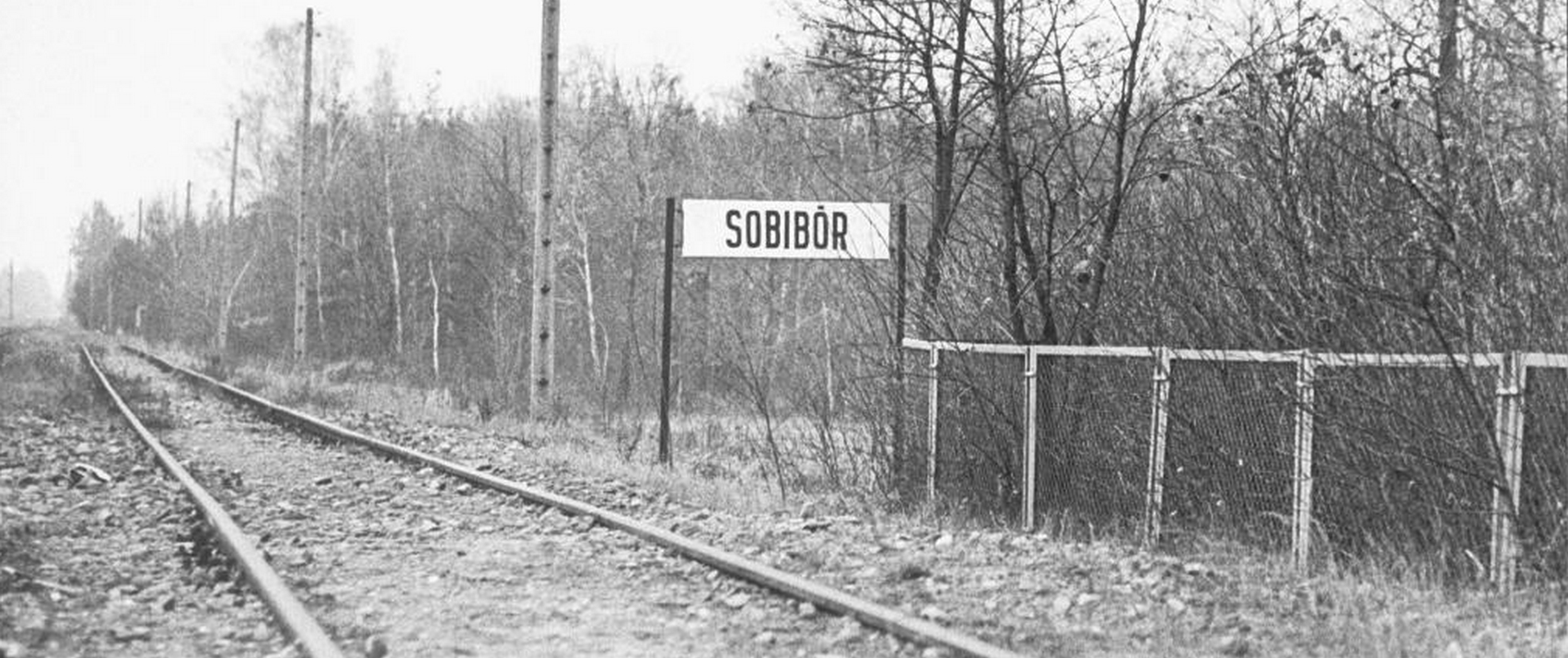
The Sobibor extermination camp, located in eastern Poland, was part of the Nazi plan to systematically murder Jews from across Europe. Around 170,000 people were deported there, almost all of whom were gassed immediately upon arrival. Only a small number of prisoners were kept alive temporarily to perform forced labour.
In the late summer of 1943, rumours began circulating that the camp was about to be dismantled — a chilling sign that the remaining prisoners would soon be executed. The arrival of a group of Soviet Jewish prisoners of war, including Lieutenant Aleksandr Pechersky, led to the development of an escape plan with the help of Polish prisoner Leon Feldhendler. On 14 October 1943, this plan was put into action.
Twelve SS officers and two guards were killed during the uprising. This extraordinary act of resistance was carried out by severely prisoners who were severely weakened and fighting for their freedom in the shadow of annihilation. Ultimately, only forty-seven Sobibor prisoners survived the war, forty-two of whom had participated in the uprising, including eighteen from the Netherlands. A total of 34,313 Dutch Jews were murdered in Sobibor.
The significance of the interviews
In 2011, camp guard Ivan Demjanjuk was convicted in Germany of complicity in the murder of Jews, partly based on the testimonies of Dutch relatives and survivors of the uprising.
Professor Selma Leydesdorff interviewed nine uprising survivors and twenty-two Dutch relatives. In these conversations, relatives speak about the impact of losing their loved ones — often one or both parents. The survivors recount their lives before, during and after Sobibor. Together, these interviews form a moving and invaluable historical document that restores the human voice to the historical record.
Between 2009 and 2011, Leydesdorff travelled to Poland, Ukraine, Russia, the United States, Australia and Israel to rconduct these interviews, which have been provided with English subtitles. By making the Long Shadow of Sobibor collection publicly accessible, Selma Leydesdorff’s work will remain available to researchers and future generations.
View the collection here.
Data Station Social Sciences and Humanities
The Long Shadow of Sobibor collection is part of the domain-specific DANS Data Station for Social Sciences & Humanities. This Data Station supports researchers in the social sciences and humanities in sustainably archiving, publishing and reusing research data. Within the Data Station SSH, several valuable collections — including Long Shadow of Sobibor — are available for reuse in scholarly research. This makes it easier for researchers and other interested users to find, consult and utilise these data for future study.
This text is compiled by Mirjam Huffener, Project Manager Long Shadow of Sobibor, and Widiawatie Mahabier, Data Manager DANS.
Source Image: Sprekende Geschiedenis